
The Psychology Behind Gambling
Gambling engages various psychological triggers that make it a compelling activity for many individuals. The thrill of uncertainty, combined with the excitement of potentially winning, serves as a powerful motivator. Players often experience a rush of dopamine—a neurotransmitter associated with pleasure and reward—when they take risks. This neurochemical response creates a cycle of anticipation, encouraging individuals to return to gambling venues in hopes of replicating that euphoric feeling, including options like crypto betting exchange vodds that offer unique experiences. This psychological element is a significant reason why gambling captivates so many.
Moreover, the ambiance of casinos is intentionally crafted to enhance this psychological experience. Bright lights, vibrant colors, and a medley of enticing sounds combine to create an immersive environment that heightens excitement. The strategic layout of casinos often leads players to lose track of time, making them overlook risks while focusing solely on potential rewards. This sensory overload can cloud rational decision-making, as the allure of easy wins overshadows more sober considerations. The environment surrounding gambling thus plays an essential role in its charm and appeal.
Additionally, social interaction amplifies the gambling experience for many. For a significant number of gamblers, the activity transcends monetary gain; it fosters connections with others. Whether sharing laughs at a poker table or engaging in friendly banter at a slot machine, these social dynamics enrich the experience. The camaraderie found in casinos often serves to reinforce the excitement, making gambling not just a solitary pursuit but a popular pastime and a means of socialization for many individuals.
The Role of Chance and Luck
The unpredictability of gambling is a key element of its allure. Humans are naturally drawn to games of chance where outcomes can change in an instant, and luck plays a pivotal role. This unpredictability creates a sense of hope, leading individuals to believe that a win may be just around the corner. The belief that one can influence luck through strategy or sheer will adds to the thrill, making the experience even more captivating. This intricate dance between chance and skill makes gambling enticing for a wide array of players.
Moreover, stories of significant wins circulate widely, which fuels the belief that anyone can achieve similar success. These narratives, often amplified by media coverage, romanticize the concept of hitting the jackpot, painting gambling as a potential avenue to wealth and luxury. Such tales inspire hope and motivate individuals to take risks in pursuit of their own fortunes. The idea that a single lucky moment can radically transform one’s life adds to the magnetic draw of gambling, making it a continual source of fascination for many.
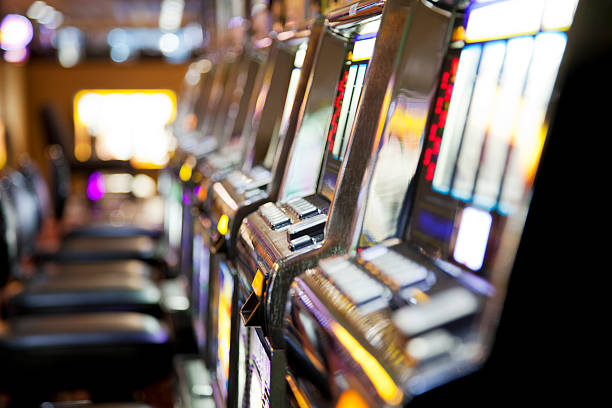
However, it is essential to acknowledge the downsides of this allure. While the thrill of winning can be captivating, the majority of gamblers will ultimately face losses due to the inherent house edge present in most games. This reality does not diminish the thrill for many, as numerous players derive enjoyment from the journey marked by risk and uncertainty. For these individuals, the chase—filled with hope and anticipation—can prove to be as rewarding as the outcome itself, reinforcing their desire to gamble repeatedly.
The Economic Factors at Play
The presence of casinos often reflects broader economic conditions and can significantly impact local economies. Many communities rely on casinos as vital sources of revenue through taxes and job creation. For some, gambling is perceived as an opportunity to earn money, which can be an attractive proposition. This perception of gambling as a potential income source acts as a compelling motivator, driving individuals to engage in casino activities. The economic benefits associated with casinos can make them seem appealing not only to gamblers but also to the communities they inhabit.
Furthermore, casinos deploy aggressive marketing strategies to emphasize these economic advantages. Promotions such as bonuses, free plays, and jackpot incentives are meticulously crafted to attract new players while keeping seasoned gamblers coming back. These marketing tactics leverage the notion of striking it rich, embedding the idea of potential financial gain into the public consciousness. Such promotional efforts contribute significantly to the ongoing allure of gambling, making it more attractive to a broader audience and ensuring that the excitement of potential wealth remains ever-present.
While the economic incentives can be enticing, maintaining a realistic outlook on gambling is crucial. Although some individuals may experience occasional financial successes, many face significant losses that can lead to financial difficulties or even gambling addiction. It is essential for individuals to understand the financial implications of their actions and approach gambling responsibly. This understanding ensures that gambling remains an enjoyable form of entertainment rather than a source of stress or hardship, promoting a healthier relationship with the activity.
The Cultural Significance of Gambling
Gambling has been intricately woven into the fabric of human culture for centuries, reflecting an inherent fascination with risk and uncertainty. Many societies have developed unique forms of gambling that serve various purposes, from rites of passage to social bonding experiences. This cultural significance can be profound, as gambling often embodies broader themes of chance, fate, and life’s unpredictability. Across diverse cultures, gambling allows people to engage with these concepts, making it a timeless aspect of the human experience.

In contemporary society, this cultural significance remains vibrant and relevant. Casino resorts have evolved into multifaceted entertainment hubs that offer more than mere gambling opportunities. With fine dining, live performances, and a variety of recreational activities, these destinations provide a comprehensive leisure experience. This integration of gambling into broader entertainment offerings enhances its appeal, allowing patrons to enjoy a complete getaway that encompasses socializing and relaxation, making it a popular choice for vacations and celebrations.
Moreover, events such as poker tournaments and sports betting have gained considerable traction in popular culture, transforming gambling into communal experiences. These gatherings foster a sense of identity and belonging among participants, as they unite to celebrate shared interests. By tapping into the communal aspect of gambling, these events not only enhance excitement but also solidify gambling’s place in modern society as a social activity that transcends mere chance, making it a vital part of the cultural landscape.
Responsible Gambling Resources and Support
As the allure of gambling continues to captivate many, it is imperative to emphasize the importance of responsible gambling practices. A wealth of organizations and resources exists to assist those who may struggle with gambling-related issues. These services range from educational materials that promote responsible gambling habits to counseling and support for individuals and families grappling with the consequences of gambling addiction. Awareness of these resources is crucial for fostering a safe gambling environment and ensuring individuals gamble responsibly.
Many casinos have recognized the necessity of responsible gambling initiatives and have begun implementing measures to support patrons in maintaining healthy gambling habits. Self-exclusion programs, spending limits, and educational workshops are just a few examples of proactive steps taken by casinos. By encouraging patrons to stay informed about their gambling behaviors and the potential risks involved, these initiatives aim to create a safer environment, ensuring that the experience remains enjoyable without leading to negative consequences.
Ultimately, while the excitement of gambling can be enticing, a clear understanding of the associated risks is paramount. Recognizing the signs of problematic gambling behavior and knowing where to seek help is essential for anyone looking to enjoy gambling responsibly. With the right support systems in place, individuals can continue to partake in the thrill of gambling while being mindful of their actions and their potential impact on their lives, promoting a healthier balance between enjoyment and responsibility.