

Getting in some quick plays at Spin Dynasty Casino late one evening, I never expected a logout to reveal so much about platform design. After stepping away for a short break, I returned to a login screen. That abrupt interruption sparked a deep dive into the casino’s session timeout settings. What I found, from my base in Canada, was a thoughtful layering of security and self-control tools. Here is what every player should understand before they trust these features.
Setting up Your Own Timeout Preferences: A Step-by-Step Look
Modifying these timers required no technical know-how. I simply navigated to the account dashboard, selected the responsible gaming tab, and scrolled past the deposit limit options until I reached the session management panel. The interface showed two sliders: one for inactivity timeout and one for session limit. Each slider featured clear labels indicating the current value in minutes, and a small information icon that expanded a tooltip with a plain-language explanation of what the setting does.
I adjusted the inactivity slider from the default 60 minutes down to 15 minutes. The change took effect immediately without calling for a page refresh or re-login. A confirmation message came up briefly at the top of the screen, and the new value was shown in the settings panel. I then toggled the session limit feature on and set it to 45 minutes, which felt like a comfortable window for an evening session without overstaying. The whole process required less than two minutes, and I appreciated that the casino did not conceal these controls behind multiple verification steps.
One detail that caught my attention was the ability to temporarily disable the session limit without removing the saved value. A small pause button next to the slider enables you suspend the countdown for the current session only. I used this once when I wanted to finish a tournament round that ran slightly over my limit. The pause function needed a confirmation click, avoiding accidental deactivation. The next time I accessed the site, the session limit automatically turned back on with my previous 45-minute setting, which demonstrated thoughtful design.
Security Concerns of Session Expiration
Aside from responsible gambling, the session timeout settings fulfill a vital security role that I initially underestimated. In a household with shared computers or in a public space like a café, an unattended logged-in logged-in casino account is a significant risk. The auto logout serves as a silent guardian, limiting the time window during which someone else could get to your money or personal details. I tried this by leaving my laptop unlocked on the kitchen table; the 15-minute timer signed me out before my roommate even spotted the screen.
What impressed me further was the omission of a “remember me” checkbox that holds you signed in permanently. Spin Dynasty enforces a re-login after any timeout, and the login page does not auto-fill the password field. This means even if someone gains physical access to your device, they cannot simply click a button to resume your session. I also reviewed the account activity log, which records the time of every log-in and sign-out, providing a transparent history if you ever fear unauthorized access.
2FA and Session Timeout Integration
I enabled two-factor authentication (2FA) during my testing, and the pairing with the inactivity timeout created a strong safety net. After a automatic logout, logging back in needed both my password and a single-use code from my authenticator app. Even if someone knew my password, they would be prevented without my phone. The timeout makes sure that a compromised session cookie becomes useless after a short period, which corresponds to modern security best practices for digital platforms.
How Timeout Settings Influence Mobile Play
My personal mobile experience with Spin Dynasty’s timeout tools revealed a few differences from the desktop version. I mainly tested on an iPhone 14 using Safari, and the session management panel loaded smoothly within the mobile-responsive site. The sliders were optimized for touch, and the countdown timer appeared in a fixed header bar that stayed visible even while scrolling through the game lobby. That persistent visibility made it more convenient to track my remaining time compared to the desktop corner placement.
Device and Background Behaviour
On mobile, the inactivity timer works differently when the app or browser tab goes to the background. If I switched to another app for a few minutes, the casino’s timer stopped until I returned to the active tab. This prevented unwanted logouts during quick multitasking, such as replying to a text message. However, if the phone’s screen turned off entirely, the timer continued to run, and I would often return to a login prompt. I learned to adjust my phone’s auto-lock settings to match my preferred idle timeout to avoid frustration.
Alert Integration
I was impressed to find that Spin Dynasty offers optional push notifications for session limit warnings on mobile. After enabling the feature in my account, I received a silent notification two minutes before my session would end, even if I was browsing another tab. Tapping the notification brought me straight back to the game, giving me a chance to wrap up. This small touch bridged the gap between security and convenience, and I now consider it essential for anyone who plays primarily on a mobile device.

What Takes Place When a Timeout Triggers During a Bonus Round
One of my greatest concerns was losing a bonus feature or free spins due to a timeout. I intentionally triggered a free-spin round on a popular Egyptian-themed slot and then let the session limit expire. The game froze immediately when the countdown hit zero, and a full-screen overlay notified me that my session had ended for responsible gaming reasons. I logged back in within 30 seconds, and the game resumed exactly where it had stopped, with the remaining free spins intact and my accumulated winnings preserved.
I repeated the test with the inactivity logout during a pick-and-click bonus game. After stepping away until the idle timer expired, I returned to the login screen. Upon re-entry, the game reloaded the bonus round from the exact decision point, with the same multiplier options displayed. Not a single coin was lost. This uniformity across both timeout types gave me confidence that the system prioritizes player funds and game state integrity above all else.
Live Dealer Game Interruptions
Live dealer tables manage timeouts with a somewhat different approach. If a session limit expires while you have an active bet at a blackjack table, the hand plays out according to basic strategy auto-completion rules, and any winnings are credited to your account. The table then removes your seat. I confirmed this by reviewing my transaction history after a forced logout during a live roulette spin; my straight-up bet was settled correctly, and the payout appeared in my balance. This automated resolution averted the stress of wondering whether a timeout would void a legitimate wager.
Comprehending the way the Timeout Mechanism Works
The session timeout at Spin Dynasty Casino is not a single blunt instrument. It in fact comprises two independent safeguards that operate in tandem. The initial is the classic inactivity logout, that watches mouse clicks and screen taps. The latter is an opt-in session limit that tracks total playtime and forcibly ends your session after a preset duration. Comprehending this distinction instantly changed how I viewed my gaming habits.
The Inactivity Sign-Out: A Forced Closure After Idle Minutes
When I left the game unattended, the platform initiated a hidden timer. Any activity, be it a spin button click or a balance refresh, renews this clock. If the timer attains the threshold, a small pop-up warns that I am going to be logged out soon. That warning typically appears one minute before the forced action. In my case, I missed it entirely because I wasn’t at my desk. The logout returned me to the login page, but my balance and game state remained intact for a quick re-entry.
I later examined the system deliberately by configuring the idle timeout to the minimum available value of 15 minutes in my account. The warning pop-up appeared at 14 minutes of inactivity, offering me time to click ‘Stay Logged In’. If I took no action, the pop-up vanished and the site ended my session exactly on the 15-minute mark. That precision reassured me that the feature is trustworthy and unlikely to erratic behaviour.
An interesting nuance I uncovered is that streaming live dealer tables treat passivity slightly differently. If you are sitting at a blackjack table but do not react when it is your turn, the dealer will wait for the usual decision time, then fold your hand. The inactivity timer still runs in the background, so if you disregard the table for the full timeout period, you will be kicked out and your seat freed. This avoids abandoned seats from blocking other players, a detail I valued after watching a friend lose a seat at a crowded roulette table.
A Self-Imposed Session Limit: Your Clock
Distinct from the idle timer, Spin Dynasty allows me to cap my total consecutive playtime. Once I turn on this tool, a continuous countdown shows up near my balance. The countdown does not start over with activity; it decreases regardless. When the timer reaches zero, the session stops without a grace period, even if I am in the middle of a bonus round. This feature appeared more like a responsible gambling aid than a security measure.
I tried out a 30-minute session limit during a busy weekday. The countdown sat unobtrusively in the corner, and I caught myself glancing at it more often than I expected. It created a gentle pressure to enjoy my time without losing track of the clock. When the timer expired during a spin on a high-volatility slot, the game froze, a short message appeared, and I was returned to the login screen. I could log back in immediately, but the forced break was enough to make me reconsider whether I really wanted to continue.
Fine-Tuning the Warning Notification
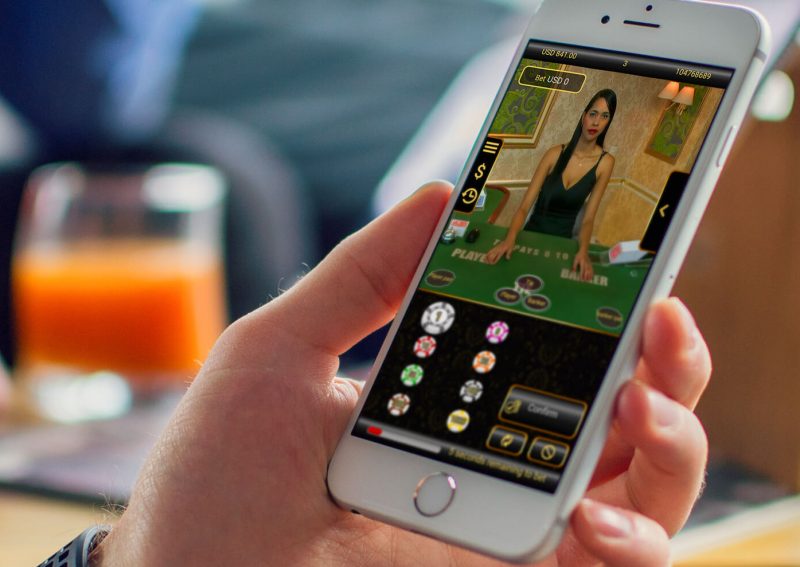
Under the session limit settings, I located a small checkbox that toggles an audible chime two minutes before the forced logout. I enabled it during a test session and was pleased with how unobtrusive the sound was. It merged with the game’s ambient audio, yet caught my attention enough to wrap up a slot spin. The alert also appears as a text banner, though on mobile the banner is smaller and easier to miss.
I later discovered that the chime volume is tied to the game’s master sound setting, not a separate control https://spindynasty.eu.com/. If you play with the sound muted, you will miss the audio cue entirely. That led me to keep the game audio at a low but audible level whenever I activate the session limit. The visual banner, meanwhile, stays on screen for about ten seconds, which is enough if you are actively watching but easy to overlook during an intense bonus round.
Exploring the Session Timeout Function at Spin Dynasty Casino
My first encounter came during a calm evening session. I selected a well-known video slot, made a few bets, and then headed to the kitchen. When I came back, the game screen was changed by the standard login prompt. Initially, I figured it was a routine security measure, but the speed caught me off guard. Afterward, I observed a discreet countdown timer in the lower corner of the interface that I had missed.
Moved by curiosity, I opened the account settings tab. Below the standard deposit history and personal info, a separate panel titled ‘Responsible Gaming Tools’ held the session controls. The layout surprised me with its clarity. Rather than hiding options in a typical security menu, Spin Dynasty put inactivity timeouts and session limits side by side with brief descriptions. That clear approach made me feel more in control right from the start.
I briefly wondered whether the logout was a glitch, seeing the platform’s seamless performance otherwise. After a quick check of the help centre, I verified that the system enforces a defined idle timeout for everyone, but registered players can adjust the duration. This explained why I had missed it during earlier shorter sessions when I never left the screen idle for more than a few minutes. The help centre article also explained that tournaments and live dealer games have the same timeout rules, which alleviated my worry about losing a buy-in.
What stood out most was the absence of any panic. My balance and game progress were kept exactly as I had left them. I logged back in within seconds and resumed the same slot round without losing a single spin. That seamless restoration turned my first annoyance into real appreciation for a feature that secures both my funds and my time.
My Advice for Employing Timeout Options Successfully
After weeks of experimenting with every timeout option Spin Dynasty offers, I created a short list of helpful habits that made my sessions more protected and more entertaining. These are not authorized recommendations, but they show what functioned for me as a regular Canadian player who appreciates both safety and uninterrupted play. Small tweaks to how you set up and react to the timers can make a noticeable difference.
- Adjust the inactivity timeout to match your typical break length. If you often step away for coffee, 15 minutes works; if you only stop briefly between spins, 30 minutes could be more comfortable.
- Consistently activate the audible chime for session limits and maintain your device volume at a low but audible level. The sound is your best defense against an unexpected logout during a bonus.
- Utilize the pause button rarely. I reserve it for tournament finals or when I am close to clearing a wagering requirement, and I right away turn back on the limit afterward.
- Review your account activity log weekly. The timestamps of logins and logouts assisted me notice a session that I had forgotten to close on a shared tablet, causing me to update my password.
- Combine the session limit with a deposit limit. I found that a 45-minute session combined with a daily deposit cap formed a natural stopping point that kept my bankroll in check without feeling restrictive.
- On mobile, change your phone’s auto-lock setting to be slightly longer than your inactivity timeout. This stops the screen lock from interfering with the casino’s own timer and avoids confusing double logouts.
I also got into the habit to look at the countdown timer every few spins, much like consulting a fuel gauge. This small routine made me mindful of my remaining time and reduced the jarring surprise of a forced logout. Over time, the timer turned into a helpful companion rather than an annoyance, softly pushing me toward healthier play patterns without ever seeming punitive.